Smart Ways to Manage Ecommerce Inventory with AI and Automation in 2026
In the ever-evolving world of AI for ecommerce store businesses, 2026 has marked its major turning point. The competition is very fierce, the customer expectations are very sky-high, and the pace of its digital retail has also accelerated beyond its imagination. The businesses are also now selling it across multiple platforms in multiple countries and managing thousands of SKUs.
The traditional approach to different inventory management-spreadsheets, manual checks, and reactive decision-making simply doesn't cut it anymore. The future also belongs to those who couldn't even combine its artificial intelligence (AI) and automations to make its AI inventory optimization smarter, leaner and more responsive.
Let's know more about how AI and automation are transforming ecommerce inventory management and how you can easily apply these kinds of innovations to even scale your business in 2026.
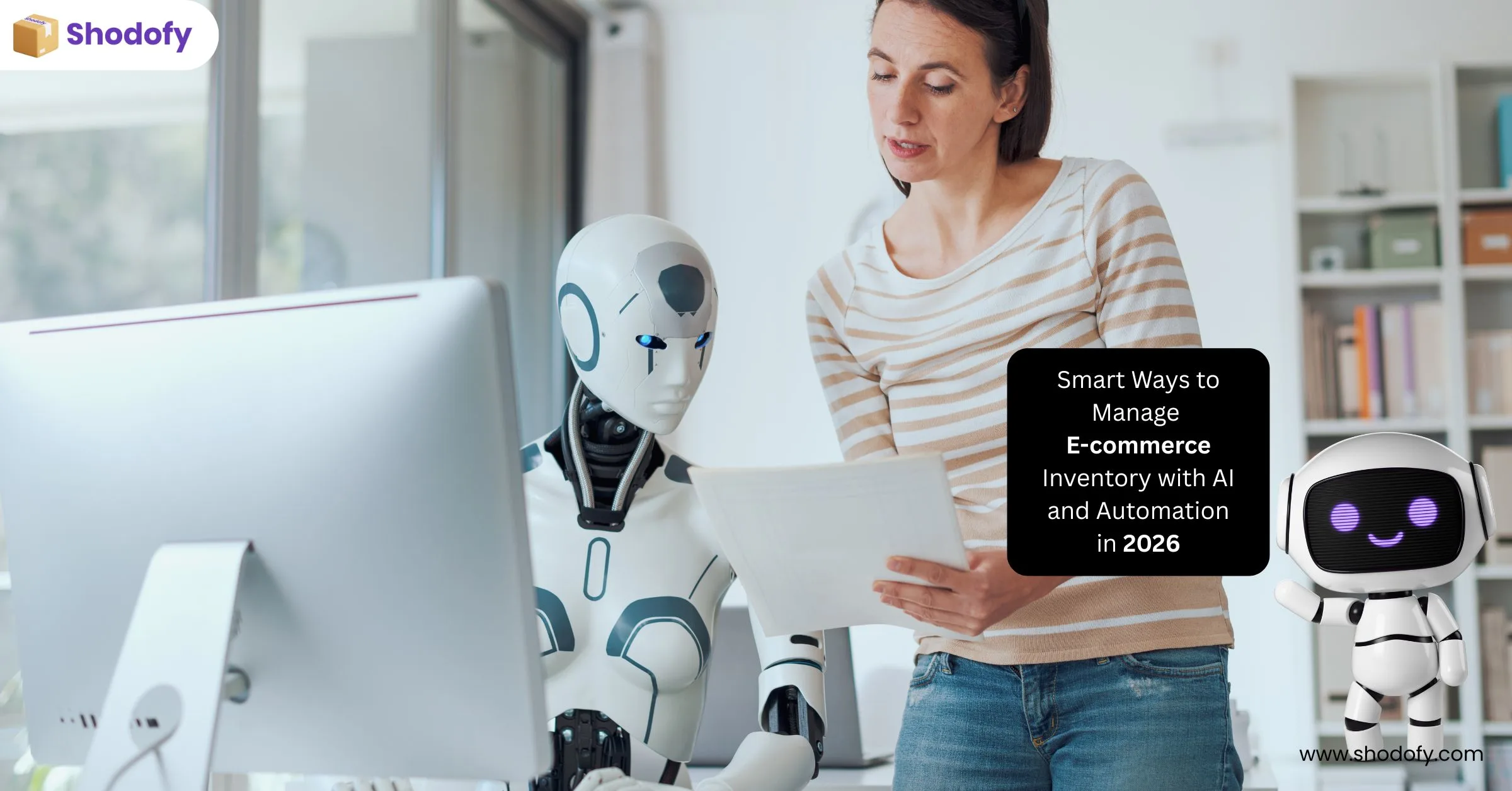
How AI and automation are redefining ecommerce inventory management
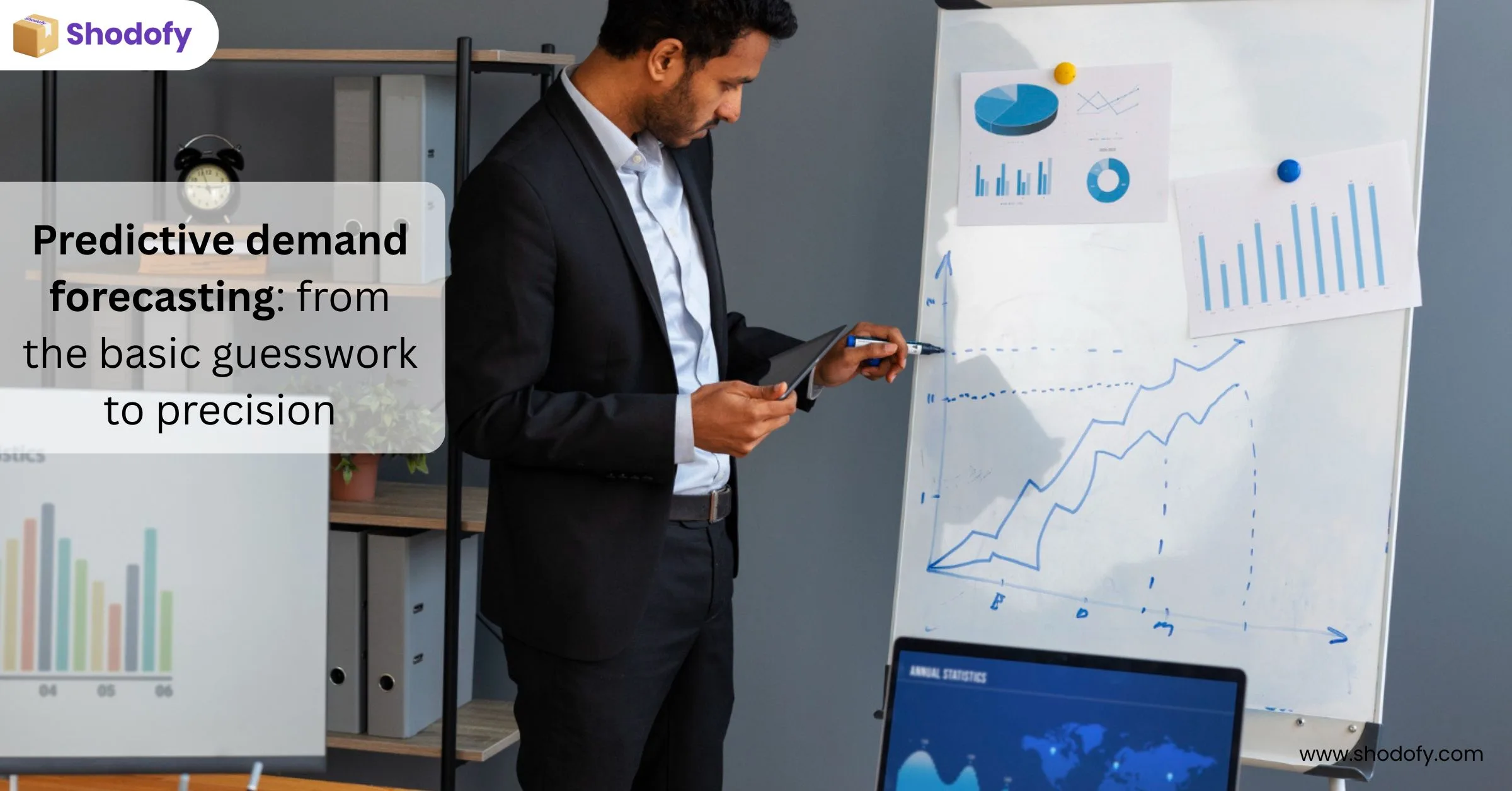
1. Predictive demand forecasting: from the basic guesswork to precision
For decades managing businesses relied on historical sales data and all of its seasonal patterns to forecast demand. But in 2026, AI-powered forecasting has also revolutionised the process.
The modern algorithms analyse a vast array of its real-time data points, including market trends, social media buzz, regional economic shifts, and even make weather conditions to even predict how customer demand will fluctuate.
Imagine an AI model detecting a sudden TikTok trend that has also boosted interest in all of its eco-friendly shoes. Your systems instantly predict sales spikes and even recommend inventory levels before your competitors even notice.
This is a type of predictive intelligence helping all kinds of self learning. They continuously refine their own kind of accuracy as the new data also flows in, keeping it easily forecast and sharp at times.
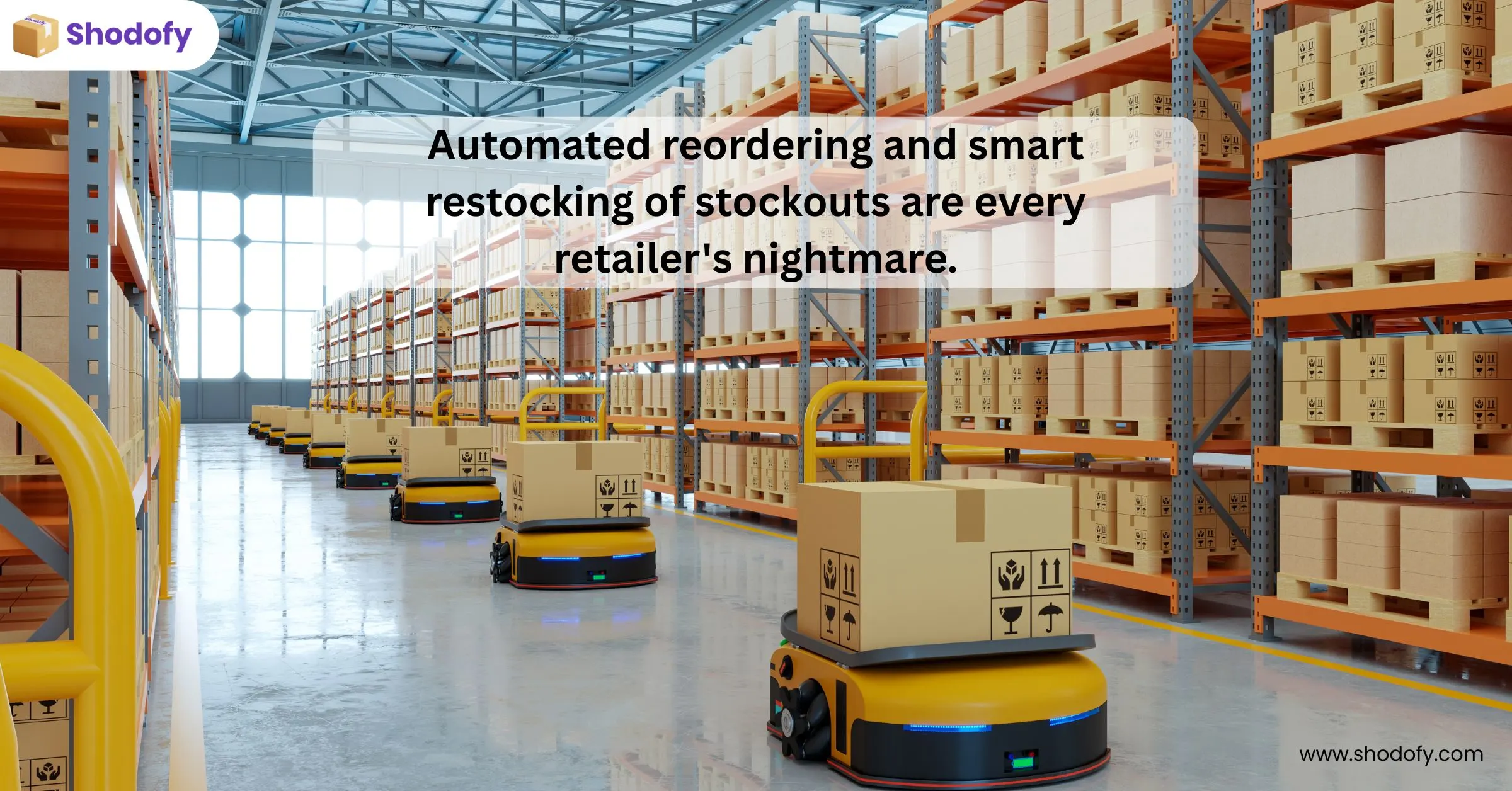
2. Automated reordering and smart restocking of stockouts are every retailer's nightmare.
Lost sales, disappointed customers and even damaged brands' reputations, which can also take months to even repair. Automation helps to prevent that.
In 2026, AI-driven systems automatically monitor inventory levels in real time and trigger reordering actions the moment certain thresholds are reached. No more continuous old manual restock alerts, which help systems handle it all.
Some of its advanced tools even use an AI chatbot which helps to communicate directly with suppliers, comparing prices, negotiating delivery terms and placing all the purchase orders autonomously.
The results?
- No more need for overstocking or even stockouts
- Reducing carrying costs
- Consistent product availability for customers.
Imagine this: you wake up to find that your system has already reordered your bestsellers overnight, selected the cheapest supplier, and all the scheduled deliveries are without human intervention.
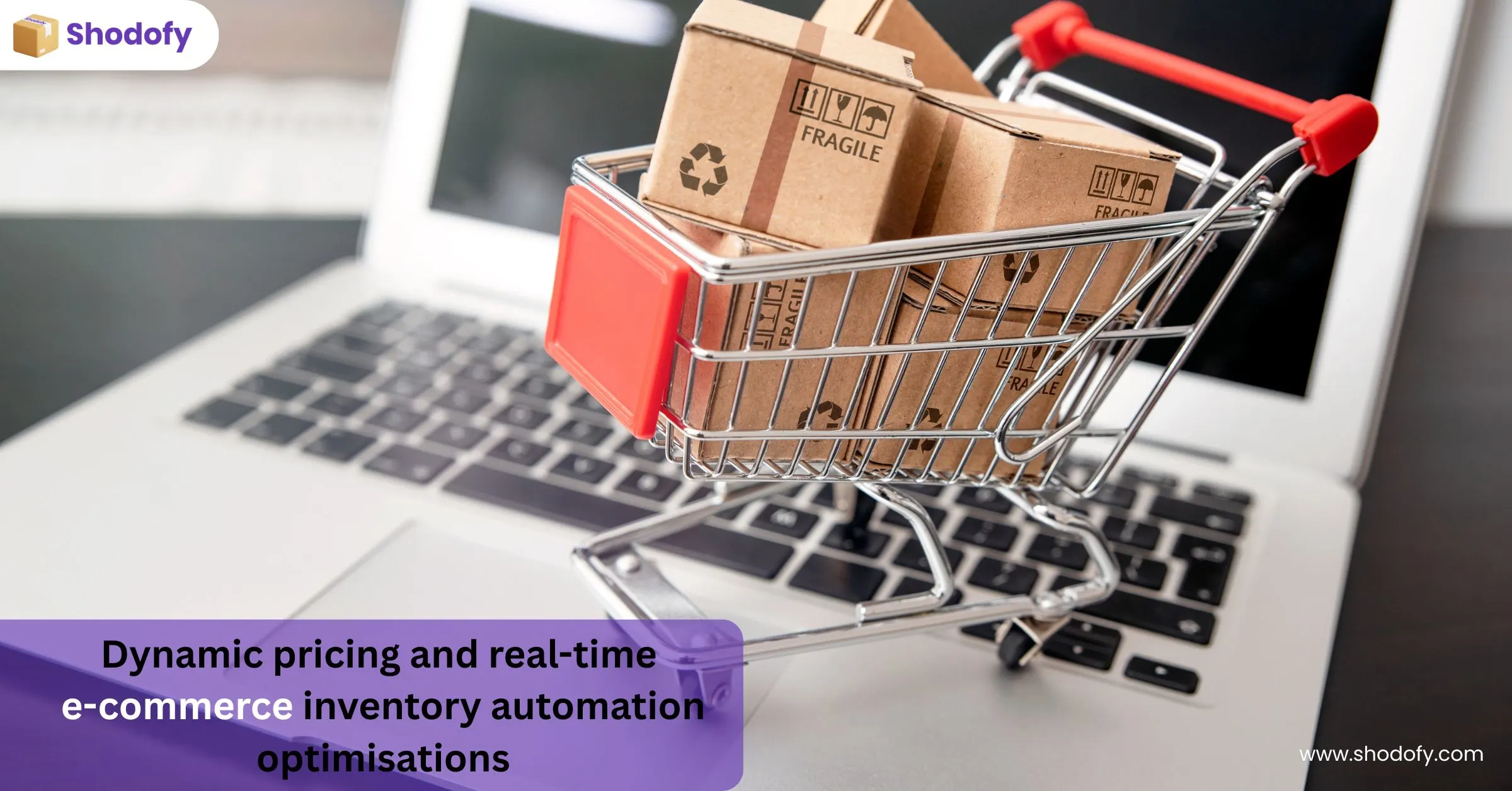
3. Dynamic pricing and real-time e-commerce inventory automation optimisations
AI doesn't stop at managing stock; it actively drives profitability.
Dynamic pricing algorithms analysing demands, competitions and their inventory levels in real time, adjusting prices automatically to maximise revenue.
for example
If a product is overstocked, the AI slightly reduces the prices to boost turnover.
If the supply is low but demand is surging, the systems also increase their prices to even enhance profit margins.
These pricing models make your business more adaptive and ensure that you always stay competitive, even in fast-moving markets.
In 2026, the business, using its dynamic pricing, sees an average of 10-20% increase in profit margins thanks to smarter stock utilizations and its AI-guided decisions.
4. Intelligent warehouse automation
The modern warehouse is no longer a static storage space; it's a living, intelligent ecosystem. AI-powered robots now perform picking and shelving with astonishing speed and accuracy. Drones scan barcodes, sensors track shelf conditions and all kinds of cameras powered by all kinds of computer vision, verifying that every product is correctly placed.
These automated systems feed continuous data into your inventory dashboard, ensuring that you always have a real-time view of what's in stock, what's selling, and what's moving slowly. This kind of digital visibility reduces errors, accelerates fulfilment and enables faster decision-making.
The benefits it can cause the warehouse automations also reduce human fatigue, errors and all of its operational costs also allowing your staff to even focus on all kinds of value-driven tasks like quality control and customer support.
5. AI-powered product categorisations and all the data-cleaning
Every kind of ecommerce manager also knows that chaotic product data can occur. Duplicate listings, wrong SKUs, and Inconsistent titles; these errors also lead to confusion and inefficiencies.
AI can also now handle this problem elegantly, helping your business.
- Categorise new items
- Detects duplicates or even mislabels
- Suggest product tags and their attributes
- Group similar kinds of products for marketing bundles
This also ensures every kind of item is very cleanly organised across multiple sales channels-amazon, Shopify, WooCommerce.
The payoff? Your customers find products faster, your reports are even more accurate, and all your kind of operations run smoother than ever.
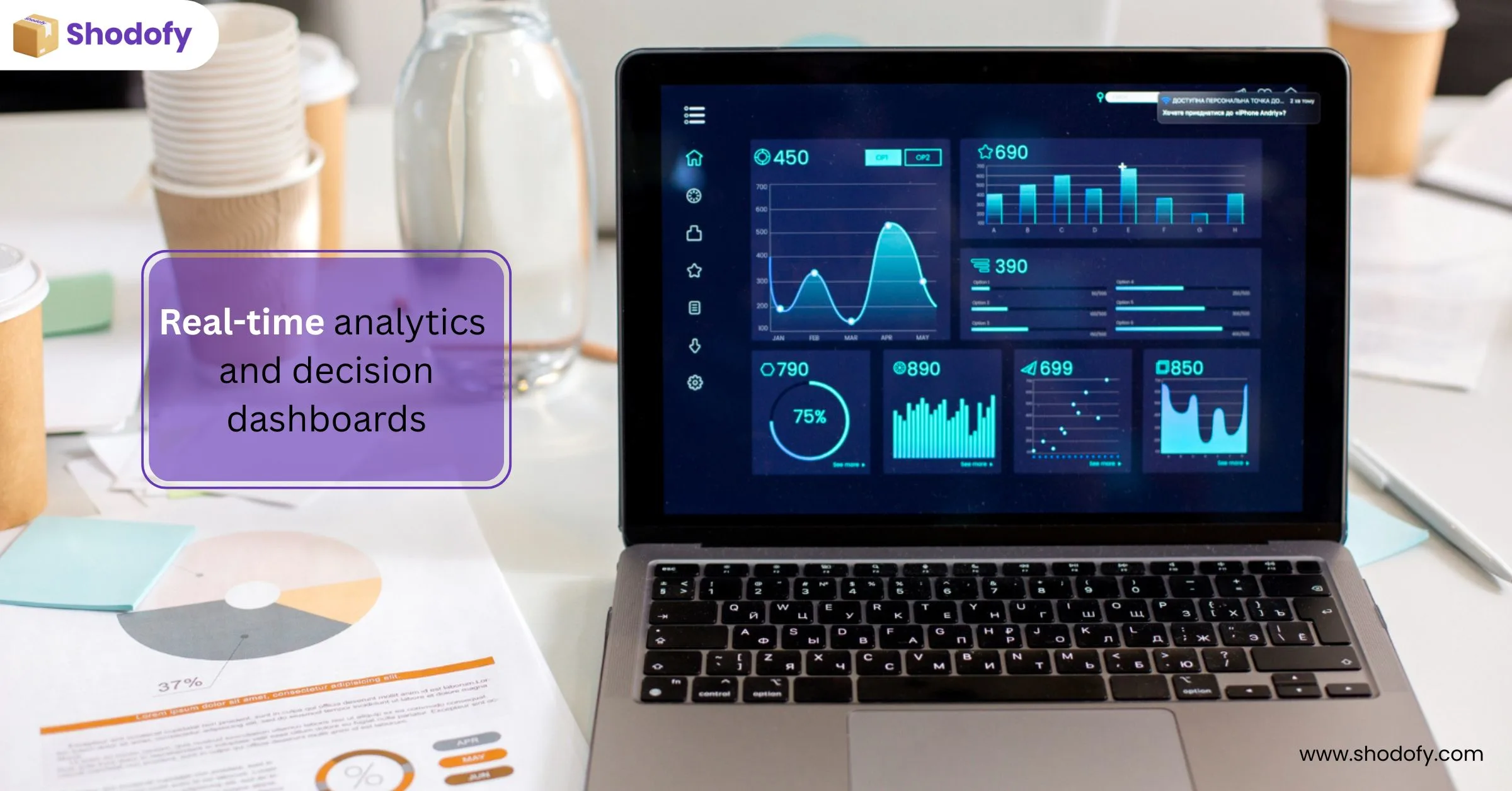
6. real-time analytics and decision dashboards
Gone are the days when managers waited for monthly reports to make decisions. In 2026, AI-powered dashboards offer instant insights into:
- Fastest-selling items
- Dead stock
- Supplier performance metrics
- Return rates and all the profit margins.
These dashboards don't just display data; they interpret it. They also might alert you that a certain supplier consistently delivers late or that a product category turnover rate has dropped by 30%
Armed with this intelligence, you can make proactive, data-driven decisions that directly improve profitability.
7. Integration with ERP and ecommerce ecosystems
AI and automations achieve their full potential when they are just deeply integrated with your ERP and ecommerce systems.
For example, connecting AI-powered inventory management with all the tools like Shopify, Magento, ensuring the seamless data flow between your sales, purchasing, logistics and accounting functions.
These integrations eliminate silos and create a unified business environment where every department operates from a single source of truth.
Resulting in fewer errors, faster workflows and better strategic alignment across your entire business.
8. sustainable and eco-friendly inventory practices
In 2026, sustainability isn't just a buzzword; it's also a business imperative. AI helps ecommerce brands minimise waste by accurately predicting demand, preventing overproduction and even optimising logistics to reduce their carbon emission.
Fun fact: A 2026 study also showed that 725 consumers prefer to buy from all kinds of brands that also use their sustainable ecommerce inventory automation practices powered by all kinds of technology.
Conclusion: The future of inventory is intelligent
The ecommerce world of 2026 rewards agility, precision and all the foresight. Businesses that also use AI and automations to even manage inventory are no longer just efficient, they are just resilient, adaptable and future-ready.
Smarter AI inventory management is not just about technology; it's also about strategy. AI and automations give you the power to make informed, timely and profitable decisions in an unpredictable world.
With platforms like Shodofy, you can bring intelligence, automation, and sustainability into every part of your supply chain. From predicting demand to automating restocks and optimizing prices — Shodofy empowers your business to stay ahead of trends, competitors, and customer expectations.